
 By
By 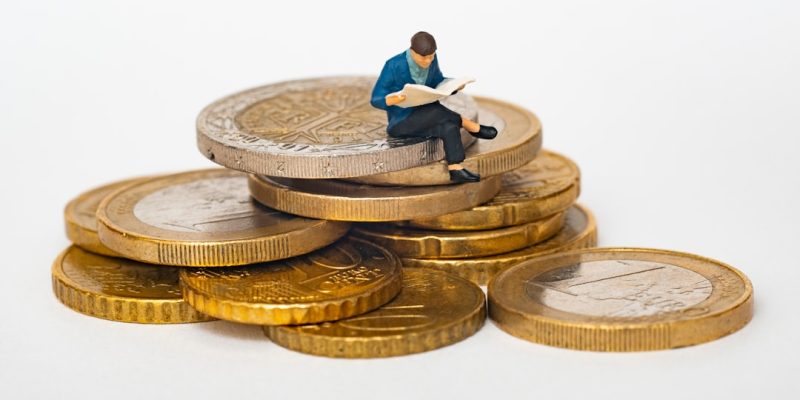
In the wake of recent geopolitical tensions, particularly a significant 12-day war with Israel, a noticeable shift is underway in Iran’s economic landscape. Iranians are increasingly seeking refuge in tangible, portable assets as a bulwark against a trifecta of challenges: persistent inflation, crippling sanctions, and a continually weakening rial currency.
Reports from the bustling corridors of Tehran’s Grand Bazaar confirm this trend. Traders are witnessing a significant surge in demand for traditional safe havens like gold and silver. This isn’t just a cautious response to economic pressures; it’s a profound reaction to the lingering fear of further conflict, pushing many to convert their savings into assets that can withstand uncertainty.
The appeal of precious metals has been further amplified by recent actions from the U.S., which has intensified its crackdown on Iranian cryptocurrency sellers. This move has inadvertently channeled more investors towards gold and silver, cementing their role as primary hedges.
For those with greater means, the investment spectrum widens to include even more compact and high-value assets. Wealthier investors are increasingly turning to diamonds and other precious gemstones, recognizing their inherent value and discreet nature. The key driving factor behind all these choices is portability.
Memories of past conflicts and economic instabilities weigh heavily on the minds of Iranians. The ability to easily transport wealth, should circumstances demand it, has become a paramount concern, guiding their financial decisions in these uncertain times. Gold, silver, diamonds, and gemstones offer not just a hedge against economic decline, but also a pragmatic solution for safeguarding assets in an unpredictable world.
Source: Original Article
Comments