 By
By 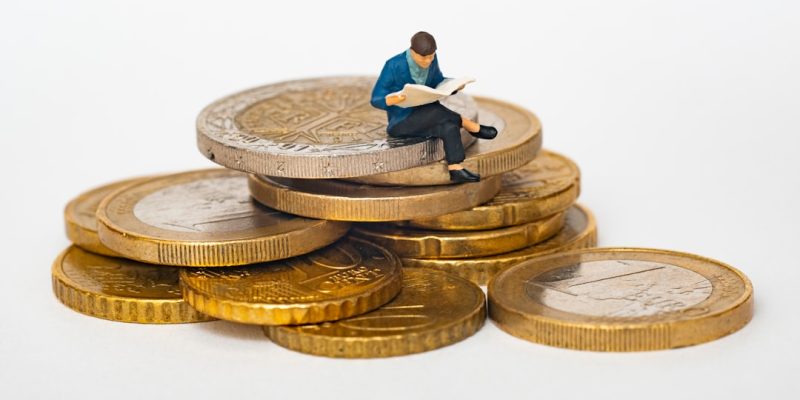
Let’s dismantle the tales, shall we? There’s a particular narrative that often accompanies the announcement of a nation achieving ‘upper middle-income economy’ status. It’s a tale of progress, of development, of a country on the cusp of prosperity for all its citizens. But like many stories spun from statistics, it often glosses over a much harsher reality.
While reclassifying a nation as ‘upper middle-income’ might look good on paper, signifying an increase in Gross National Income (GNI) per capita, it’s crucial to ask: whose income is increasing? And where is that wealth truly going?
The Illusion of Averages
The problem with national averages is that they can be incredibly misleading. A country can boast impressive GNI figures, but if that wealth is concentrated in the hands of a tiny elite while the vast majority struggle with stagnant wages, poor public services, and dwindling opportunities, then ‘progress’ becomes a hollow echo. The shiny new status does little to alleviate the grinding poverty experienced by millions.
The Two-Headed Dragon: Inequality and Corruption
This is where the twin scourges of inequality and corruption come into sharp focus. In economies where the gap between the richest and the poorest is a chasm, economic growth often translates into greater wealth for those already privileged, rather than a rising tide that lifts all boats. Resources are diverted, opportunities are hoarded, and the social mobility ladder is all but broken.
Corruption, on the other hand, acts as a corrosive agent, eating away at the foundations of equitable development. Public funds meant for schools, hospitals, infrastructure, or social safety nets are siphoned off. Policies are crafted to benefit special interests rather than the common good. This not only perpetuates poverty but actively entrenches it, making it nearly impossible for those at the bottom to break free from cycles of disadvantage.
A Status That Rings Hollow
So, when we hear the fanfare about an ‘upper middle-income economy,’ we must critically examine the accompanying conditions. Does this status translate into improved living standards, better healthcare, quality education, and genuine opportunities for the average citizen? Or is it merely a statistical milestone that masks deep-seated structural issues?
True development isn’t just about economic metrics; it’s about human well-being, equity, and justice. Until inequality is actively tackled and corruption is rooted out, an ‘upper middle-income economy’ remains a paradoxical label – a testament to potential, perhaps, but certainly not a guarantee of an end to poverty for all.
It’s time to look beyond the headlines and demand accountability for how wealth is generated, distributed, and protected in our societies. Only then can the tales we tell ourselves about progress begin to align with the lived realities of people.
Source: Original Article
Comments